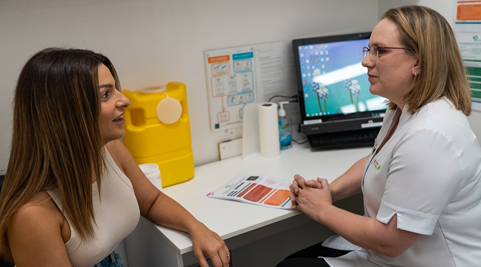

Compassion needs to extend to our patients and their carers, our colleagues, other healthcare workers and to ourselves.
Compassion is defined as a feeling that arises when we are confronted with another’s suffering and we feel motivated to relieve that suffering. Sympathy in comparison is passive feeling of pity or sorrow for someone's misfortune and empathy means that you feel what a person is feeling with the risk of intense emotions which can reduce our efficacy. The strong desire to alleviate suffering is the key characteristic that differentiates compassion from responses like empathy, concern and sympathy.
Research has shown that compassionate healthcare provision enhances better health outcomes for patients. Some of these outcomes include enhanced immune function, wound healing, neuroendocrine function, less cardiovascular events, and a reduction in recovery time. Additional benefits include reduced experiences of pain, anxiety, depressive symptoms, lower levels of distress and suffering. This results in an enhanced efficacy of treatment, improved patient well-being and a better quality of life.
Research has also shown that experiencing compassion is beneficial as our heart rate slows down, we secrete oxytocin, and regions of the brain linked to empathy, caregiving, and feelings of pleasure light up; which can lead to us wanting to approach and care for other people.
Compassion in pharmacy includes active listening, respecting patient feelings, and providing clear, understanding support. This not only benefits patients by increasing their adherence to treatment and overall wellbeing, but also supports the emotional wellbeing of healthcare professionals, reducing burnout.
How compassion is applied in pharmacy
- Active listening: Pharmacists should give patients their full attention, listen to their concerns, and acknowledge their feelings by restating what they've shared.
- Building rapport: By treating patients with respect and empathy, pharmacists build trust, which is especially important since they may be the most frequent healthcare provider for some patients.
- Understanding emotional status: Recognising and addressing a patient's emotional state, anxieties, or distress is a critical component of compassionate care.
- Providing education and support: A compassionate approach involves using our knowledge to educate patients about their medications, but doing so in an empathetic and understanding way that explores their thoughts and feelings.
- Respecting patient beliefs: Acknowledging and respecting a patient's personal beliefs, opinions, and feelings is a cornerstone of compassionate practice.
Benefits of compassion in pharmacy
For patients:
- Improved treatment adherence.
- Greater patient satisfaction and wellbeing.
- Lower rates of depression.
- Improved self-care behaviours.
For professionals:
- Reduced stress and burnout.
- Increased job satisfaction and meaning.
- A more positive and sustainable work environment.
Self-Compassion and Self-Care
Self-care is essential for all healthcare workers. A lack of self-care will lead to burnout and ultimately poor mental and physical health. Hence this is why self-compassion is an essential tool in our self-care kit. Self-compassion is simply the process of turning compassion inwardly towards ourselves. Having compassion for oneself is no different to having compassion for others. Self-compassion is when we are kind and understanding rather than harshly self-critical at times when we fail, make mistakes or feel inadequate. We give ourselves support and encouragement rather than being cold and judgmental when challenges arise in our lives. With self-compassion, we give ourselves the same kindness and care we would give to a good friend.
Research indicates that self-compassion is one of the most powerful sources of coping and resilience we have available to us, radically improving our mental and physical wellbeing. It motivates us to make changes and reach our goals — not because we are inadequate, but because we care and want to be happy.
Self-compassion can be tender, involving comforting and reassuring ourselves that we are not alone, while also being present with our pain. Fierce self-compassion tends to involve protecting, providing for, and motivating ourselves. Sometimes we need to stand tall and say no, draw boundaries, or fight injustice.
In conclusion providing compassion to those we encounter in our pharmacy work, whether colleagues or those in our care, will increase our well-being and increase satisfaction with our role. In addition, there will be better outcomes for those in our care if we display compassion. Self-compassion is empowering and an essential component of our self-care, which will enhance our resilience. As pharmacists, we need to cultivate compassion and self-compassion to provide excellent care and to flourish.
This article is based on a previously published article in The Australian Pharmacy Students’ Journal Vol. 3 No. 1 (2024): Summer. The Importance of Compassion in Healthcare: Pharmacists Dispensing Compassion to Others and Themselves. Kay Dunkley and Chloe Kappel. https://doi.org/10.55136/apsj313
The Pharmacists’ Support Service (PSS) is a charity which focuses on the mental health and well-being of the Australian pharmacy profession. PSS is just a phone call away and can help if you are stressed, concerned about your mental health or need a listening ear. The PSS telephone is answered by volunteers, who are all experienced pharmacists or retired pharmacists, who have undertaken training in crisis support counselling. PSS is available to all pharmacists, interns, students, overseas pharmacy graduates seeking registration in Australia. PSS provide anonymous and confidential support over the phone every day of the year between 8.00am and 11.00pm AEST/AEDT by phoning 1300244910.
For more information about PSS and to access information and resources visit our website at www.supportforpharmacists.org.au.